


If you’ve ever had a toothache that just won’t quit – one that throbs at night or flares up the moment you bite into something—there’s a good chance the problem isn’t just on the surface. It’s often something happening deep inside the tooth, and that’s usually where a root canal comes in.
The phrase itself tends to make people uneasy. It’s one of those dental terms that’s picked up a reputation over the years, mostly from stories rather than actual experience. In reality, it’s a fairly routine procedure aimed at getting rid of infection and keeping your own tooth in your mouth instead of pulling it out.
So What’s Really Happening Inside the Tooth?
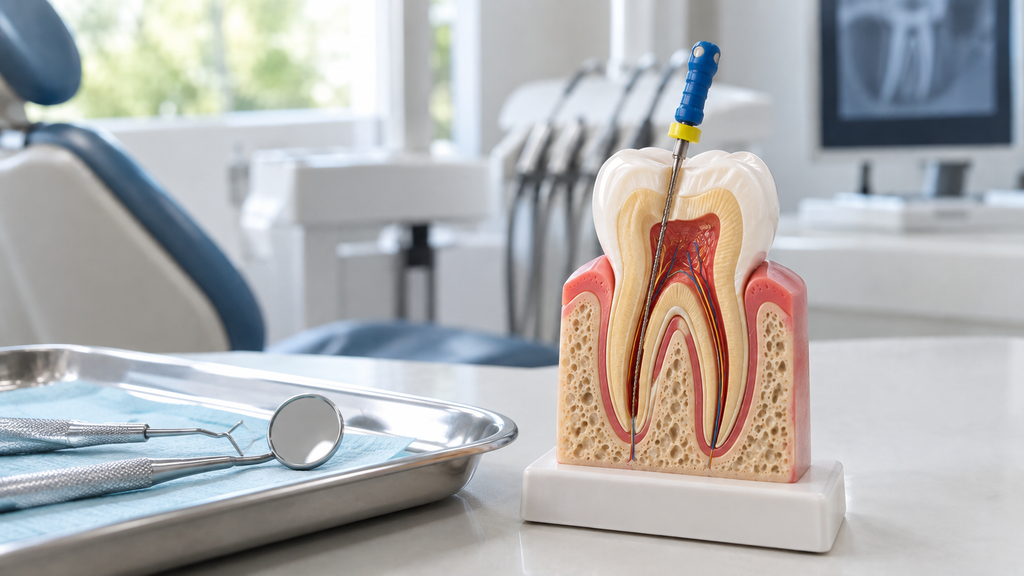
Inside every tooth is a soft core that runs through it called the pulp – this is where the nerves and blood vessels sit. It’s covered in layers of enamel and dentin, but that protection is not foolproof. A deep cavity, a crack, or even one too many dental procedures can eventually allow bacteria to sneak in and reach the pulp. Once that happens, the tissue gets inflamed or infected, and that’s when the real pain starts.
Treating it means going in, clearing out that damaged pulp, and thoroughly cleaning and sealing the space so bacteria can’t come back for round two.
How Do You Know If You Need One?
Not every ache means you’re headed for a root canal – but a few warning signs are worth paying attention to:
- Pain that lingers or keeps returning, especially when you chew
- Hot or cold sensitivity that hangs around long after you’ve swallowed
- Swelling near a particular tooth
- A tooth that’s started to look darker than the ones around it
- A small bump on the gum that keeps coming back
If any of that sounds familiar, it’s worth getting checked sooner rather than later. Infections don’t tend to fix themselves, and waiting usually just makes the eventual treatment more involved.
What Happens During Treatment?
The process itself is more straightforward than most people expect:
- The dentist starts with an X-ray to see what’s going on beneath the surface.
- The area is numbed, so discomfort during the procedure is minimal.
- A small opening is made, and the infected pulp is removed.
- The inside of the tooth is cleaned and shaped to clear out bacteria.
- It’s then filled and sealed.
- A crown is often added afterwards to protect the tooth and let it function normally again.
Most patients are surprised to find it feels a lot like getting a filling done – not the ordeal they’d built it up to be in their head. If you’re weighing your options, discussing your symptoms with someone offering root canal treatment in Jaipur can help you figure out whether this is the right path for your specific case.
Why Bother Saving the Tooth at All?
It’s a fair question. Extraction is quicker, so why not just pull it? The short answer is that your natural teeth do a job nothing else quite replicates – they keep your bite even, stop neighboring teeth from drifting, and hold the shape of your jaw. Losing one often opens the door to bridges or implants down the line, which tend to take more time and cost more in the long run. Dr. Priyanka Parashar generally walks patients through these trade-offs before treatment begins, so there’s no guessing involved about what comes next.
When Should You See a Dentist?
Mild sensitivity may improve with proper oral care, but ongoing pain deserves attention. If sensitivity worsens, occurs without an obvious trigger, or comes with swelling, severe pain, or discomfort when biting, schedule a dental exam.
A root canal treatment in Jaipur can evaluate whether the pain is caused by sensitivity, decay, cracks, or an issue affecting the tooth’s pulp. Early diagnosis can help identify the cause and allow appropriate treatment before the problem becomes more complicated.
The Bottom Line
A root canal isn’t the ordeal it’s made out to be – it’s really just a way of holding onto a tooth that would otherwise be lost to infection. Catch the symptoms early, get them looked at, and you’ll likely save yourself both the discomfort and the hassle of more complicated treatment later on.